Advancing insect agriculture through collaboration

What is CIBI?
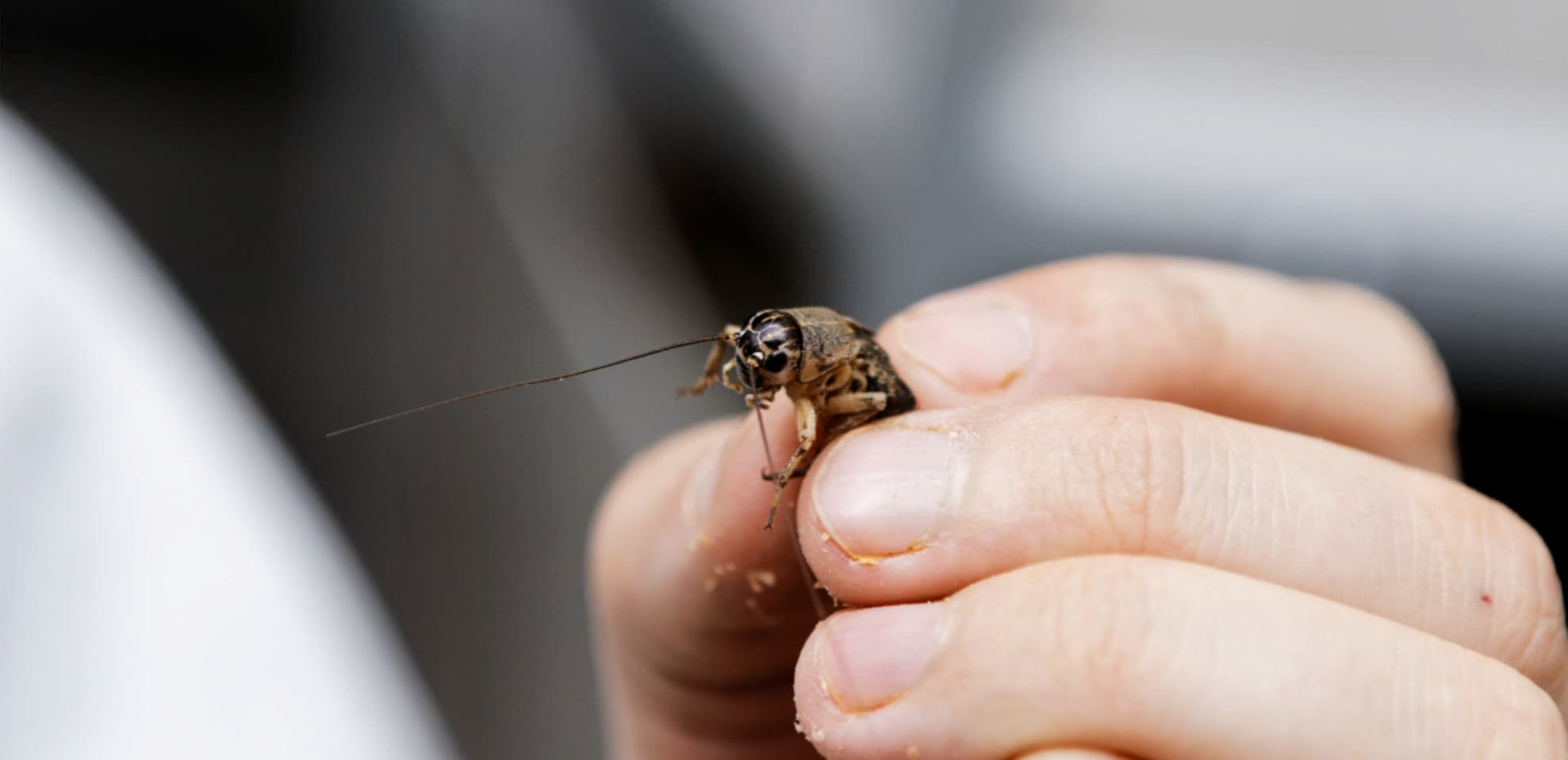
The Center for Insect Biomanufacturing and Innovation (CIBI) is a first-of-its-kind research center driving breakthrough insect-derived technologies that power innovation across biotechnology, feed, and agricultural industries.
Formerly known as CEIF, the Center has updated its name to better reflect the breadth of projects we pursue.
We are working with Industry, Academia, and Government to pursue foundational, pre-competitive research that will drive growth of the Insect Agriculture sector.
Sound like you? Support our mission by joining our initiative.

Join the Center

We have one planet with limited resources.
Insect farming is part of the solution. Less water. Less land.
Less greenhouse gas emissions.
More options.

We deliver world-class research that helps set the global standard for insect biomanufacturing and insect-derived materials, advancing innovation across feed and agricultural systems worldwide.
Foundational research that will drive growth of the Insect Agriculture sector
CIBI SEMINAR SERIES SPOTLIGHT
The CIBI (formerly CEIF) Seminar Series offers regular presentations from researchers and guest lecturers on various aspects of insect agriculture. These include discussions of papers in the CIBI Digital Library, presentations by experts, and detailed explorations of CIBI projects.
Inside the Microbiome: What's Really Driving Black Soldier Fly Performance
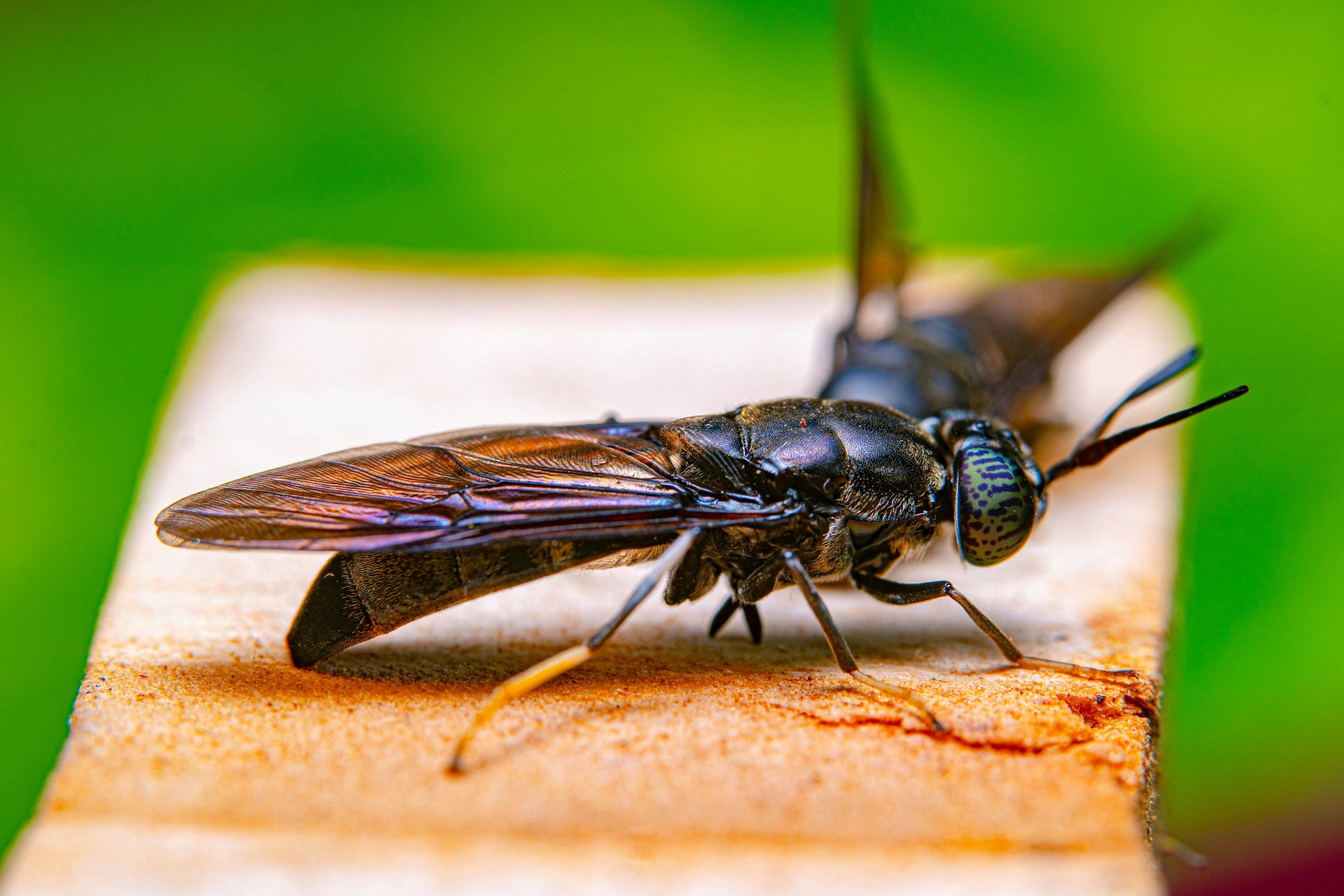
In a recent CIBI seminar, Dr. Jeroen de Smet, KU Leuven and leader of a M³icroSECT research team — shared an updated perspective on the importance of the BSF microbiome.
Because larvae live inside their substrate and their own waste re-enters the feed cycle, traditional livestock nutrition models don't fully apply. De Smet's team has even seen microbes compensate for reduced dietary amino acids, masking the larvae's true nutritional requirements.
Across studies and facilities, a small set of bacterial genera — Klebsiella, Enterococcus, Providencia — show up again and again, though environment still shapes much of what colonizes the gut. Using a germ-free larval model, the team confirmed these microbes aren't just along for the ride: restoring protein and vitamins (especially lysine) rescued growth lost when the microbiome was removed.
There are food-safety implications too. Larvae reliably clear Staph. aureus and E. coli, but Salmonella can persist depending on the substrate — though simply acidifying the feed sharply cut survival rates.
The takeaway: as the insect sector matures, engineering the microbiome may prove just as important as breeding better insect strains.